VPN Obfuscation Techniques Explained 2026
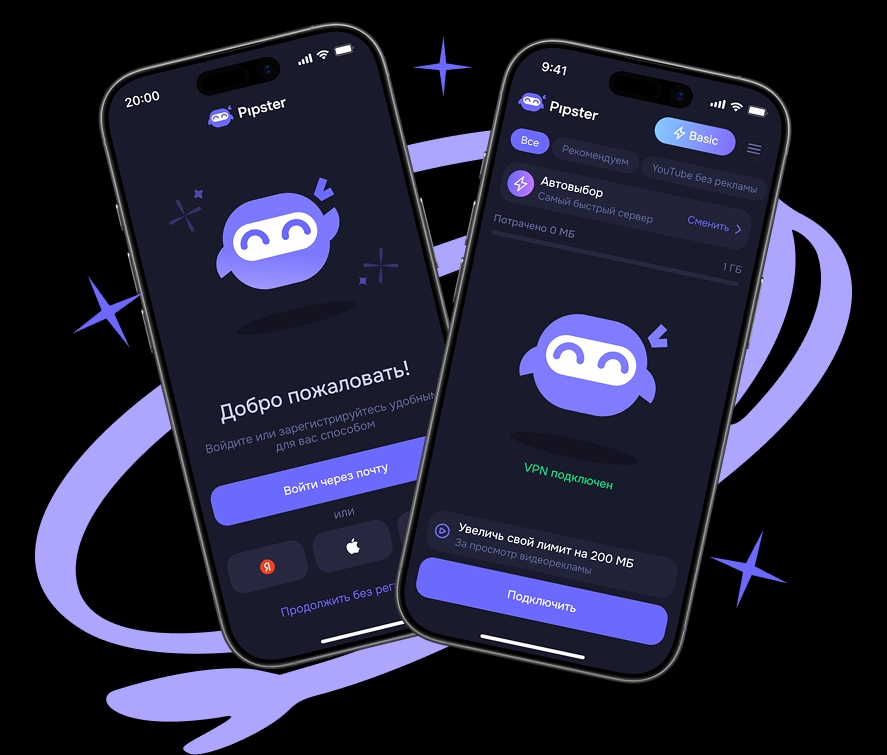
- Stable connection
- One-click activation
- Russian-speaking technical support
- Unlimited traffic
Make privacy
great again

Stay private online

Watch anything, anywhere

Use public Wi-Fi safely
Be safe
Access always
Connect without limits and stay online
Hides friends
We make sure no one knows what you do on the internet
Changes quickly
We update technologies, react to changes and new challenges
As online surveillance and automated traffic analysis become more sophisticated in 2026, basic encryption is no longer enough to guarantee unrestricted access. VPN obfuscation has evolved from a niche feature into a core privacy tool. It ensures that your encrypted tunnel looks like ordinary internet traffic, keeping your connection hidden from deep packet inspection, ISP throttling, and restrictive firewalls. Whether you prioritize privacy, speed, or seamless streaming, understanding these techniques helps you choose the right protection.
What Is VPN Obfuscation
At its simplest, obfuscation is camouflage for your VPN connection. Standard VPN protocols like OpenVPN and WireGuard have recognizable packet signatures. Network administrators and automated systems can spot these signatures and block or throttle the traffic. Obfuscation strips away those tell-tale markers, wraps the VPN packets inside a common protocol shell, and randomizes metadata so that the traffic appears indistinguishable from regular secure HTTPS browsing.
How Obfuscation Works in 2026
Modern obfuscation operates at multiple layers of the network stack. Instead of simply changing a port number, advanced techniques modify packet size, inject random padding, alter timing intervals, and mimic standard TLS handshakes. Some methods use domain fronting alternatives or multiplex several streams through a single innocent-looking connection. The goal is not just to encrypt data, but to make the entire communication pattern blend into the background noise of the internet.
Top VPN Obfuscation Methods
- Obfsproxy and Shadowsocks: lightweight proxies that rewrite traffic patterns to evade basic DPI filters.
- TLS-Camouflage: mimics standard HTTPS certificates and handshakes so that traffic appears to come from a regular browser session.
- OpenVPN XOR Scramble: applies an additional XOR mask to OpenVPN packets, breaking static signatures used by blocking algorithms.
- WireGuard with Obfuscation Layers: combines WireGuard’s lean speed with stealth wrappers that hide its modern cryptography.
- Randomized Packet Timing and Padding: prevents traffic analysis by removing predictable packet rhythms and uniform packet sizes.
Why Speed and Streaming Still Come First
Privacy should never come at the cost of performance. In 2026, users expect 4K streaming, low-latency gaming, and large file transfers over VPN. Heavy or poorly implemented obfuscation can create bottlenecks. That is why leading solutions balance stealth with efficiency. Pipster VPN uses optimized obfuscation layers that run on high-speed server infrastructure, ensuring your binge-watching sessions stay buffer-free while your traffic remains invisible to throttling algorithms.
Privacy Benefits of Stealth VPNs
When your VPN traffic is invisible, you avoid targeted bandwidth throttling and profiling. Streaming platforms, airports, hotels, and corporate networks often inspect packets to limit VPN usage. Obfuscation prevents them from knowing you are connected to a VPN server at all. This keeps your browsing habits, location, and identity shielded under an extra layer of anonymity, which is essential for journalists, remote workers, and anyone who values digital privacy.
Pipster VPN and Advanced Obfuscation
Pipster VPN integrates next-generation obfuscation directly into its apps without requiring manual configuration. The service automatically detects restrictive networks and switches to stealth mode, combining WireGuard performance with adaptive camouflage technology. Whether you are traveling, working from a restrictive office network, or simply want maximum privacy at home, Pipster VPN ensures your connection stays fast, secure, and completely under the radar.
Часто задаваемые вопросы
What is VPN obfuscation?
VPN obfuscation is a method that disguises encrypted VPN traffic as regular HTTPS data. It removes recognizable VPN signatures so that firewalls and deep packet inspection systems cannot detect or block your connection.
Does obfuscation reduce internet speed?
Obfuscation can add a small amount of overhead because it scrambles metadata and adds extra packet layers. However, modern implementations in services like Pipster VPN are optimized to deliver ultra-fast speeds for HD and 4K streaming without noticeable lag.
Can obfuscation help bypass deep packet inspection?
Yes. Advanced obfuscation techniques alter packet size, timing, and headers to break the fingerprints that DPI relies on. This allows the VPN tunnel to pass through restrictive networks undetected.
Is obfuscation necessary for privacy?
Standard VPN encryption secures your data contents, but obfuscation hides the fact that you are using a VPN at all. This extra layer is valuable for privacy-conscious users who want to avoid profiling, throttling, or censorship.
VPN Questions & Answers