VPN DNS Leak Fix 2026: Secure Your Privacy
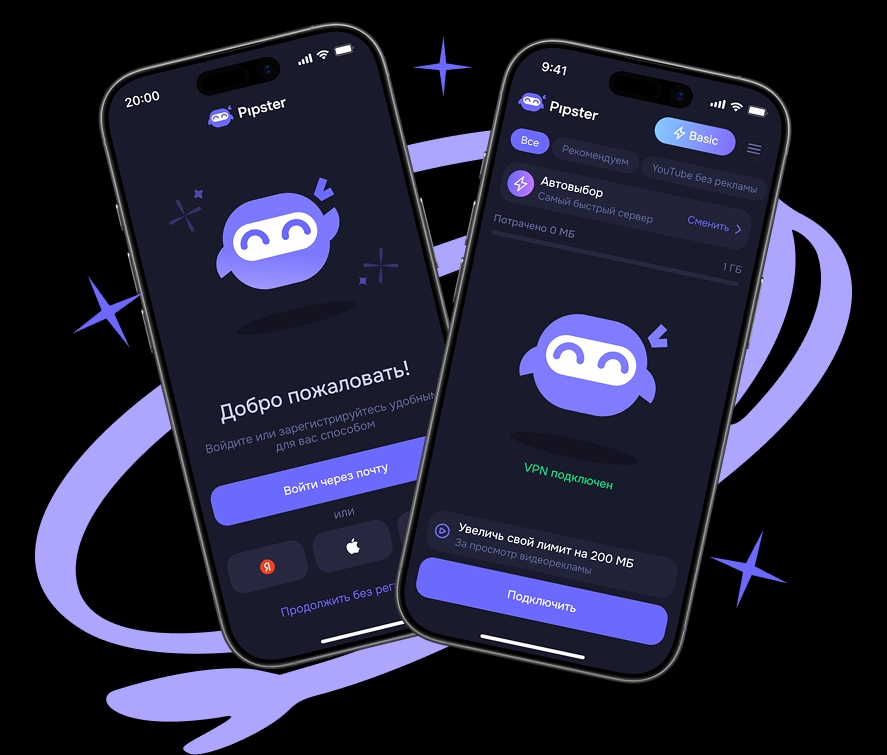
- Stable connection
- One-click activation
- Russian-speaking technical support
- Unlimited traffic
Make privacy
great again

Stay private online

Watch anything, anywhere

Use public Wi-Fi safely
Be safe
Access always
Connect without limits and stay online
Hides friends
We make sure no one knows what you do on the internet
Changes quickly
We update technologies, react to changes and new challenges
In 2026, online privacy is more important than ever. Even with a VPN active, a DNS leak can expose your real location and browsing history to your ISP, advertisers, and surveillance systems. This guide explains what DNS leaks are, how to test for them, and how Pipster VPN keeps your data secure.
What Is a DNS Leak and Why It Matters in 2026
Every time you visit a website, your device sends a DNS query to translate a domain name into an IP address. When you use a VPN, these queries should travel through the encrypted tunnel to the VPN provider DNS servers. A DNS leak occurs when those queries bypass the tunnel and go directly to your ISP DNS servers. This defeats the purpose of using a VPN for privacy and can reveal the streaming services you access, websites you browse, and even your physical location.
How to Test for DNS Leaks
Testing for a DNS leak is simple and takes less than a minute. Follow these steps to verify your VPN is working correctly.
- Connect to Pipster VPN and choose a server location.
- Open your browser and go to a reputable DNS leak test site.
- Run the extended test and wait for the results.
- Check the listed DNS servers. If you see your ISP name or real country, you have a leak.
- If you see only Pipster VPN server locations, your DNS is secure.
Top Methods to Fix VPN DNS Leaks
If you discover a leak, do not panic. There are several reliable ways to fix it and restore your privacy. Here are the most effective solutions for 2026.
- Use Pipster VPN with built-in DNS leak protection enabled in the settings.
- Activate the kill switch to block all traffic if the VPN connection drops.
- Disable IPv6 on your device or router to prevent traffic from bypassing the VPN tunnel.
- Switch to custom secure DNS servers such as Cloudflare or Quad9 inside Pipster VPN app.
- Flush your local DNS cache to remove old records that might cause routing conflicts.
Why Pipster VPN Prevents DNS Leaks by Default
Pipster VPN is engineered with privacy at its core. The application forces all DNS requests through our own zero-log DNS infrastructure. This means no third party can see what websites you visit. Combined with AES-256 encryption, WireGuard and OpenVPN protocols, and an automatic kill switch, Pipster VPN ensures that your DNS queries never leave the encrypted tunnel. Whether you are streaming, torrenting, or browsing sensitive content, your identity stays hidden.
Advanced 2026 DNS Privacy Tips
- Enable DNS over HTTPS or DNS over TLS inside Pipster VPN for an extra encryption layer.
- Use the IPv6 leak shield feature to block all IPv6 traffic automatically.
- Run a DNS leak test every month or after every app update to stay protected.
- Keep your operating system and Pipster VPN client updated to receive the latest security patches.
- Avoid free VPNs that often resell DNS data or lack proper leak protection infrastructure.
DNS leaks are a silent threat to your online privacy, but they are easy to prevent with the right tools. By choosing Pipster VPN and following the steps above, you can browse, stream, and download with complete confidence in 2026. Stay safe, stay fast, and stay private.
Часто задаваемые вопросы
What is a DNS leak and why is it dangerous?
A DNS leak happens when your device sends DNS queries outside the encrypted VPN tunnel. This exposes your browsing activity to your internet provider and third parties, breaking your privacy even when the VPN is connected.
How can I test if my VPN has a DNS leak?
Visit a trusted DNS leak test website while connected to your VPN. If you see your real ISP or location instead of the VPN server details, your VPN is leaking DNS requests.
Does Pipster VPN protect against DNS leaks automatically?
Yes. Pipster VPN routes all DNS requests through its own encrypted DNS servers. The built-in leak protection and kill switch work together to keep your traffic private at all times.
What are the main causes of DNS leaks in 2026?
Common causes include IPv6 traffic bypassing the VPN, misconfigured network settings, transparent DNS proxies used by ISPs, and operating system features that prioritize speed over security.
VPN Questions & Answers