VPN and Zero Trust 2026: Complete Guide
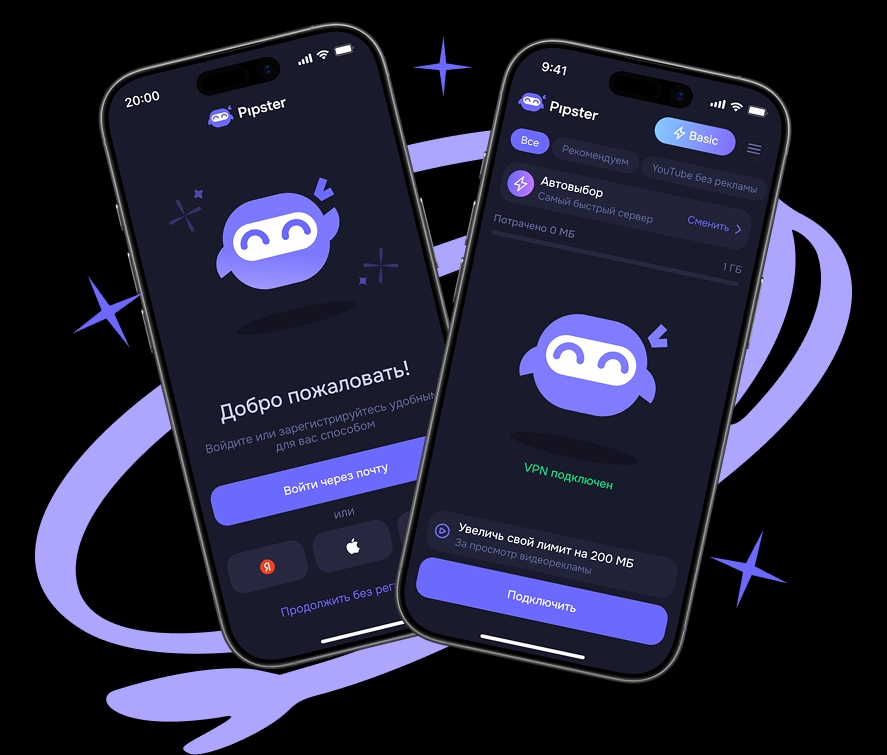
- Stable connection
- One-click activation
- Russian-speaking technical support
- Unlimited traffic
Make privacy
great again

Stay private online

Watch anything, anywhere

Use public Wi-Fi safely
Be safe
Access always
Connect without limits and stay online
Hides friends
We make sure no one knows what you do on the internet
Changes quickly
We update technologies, react to changes and new challenges
In 2026, enterprise security has fully shifted from perimeter-based defense to identity-centric models. Yet one question still dominates IT discussions: where does a VPN fit inside a Zero Trust world? Pipster VPN answers that challenge by delivering encrypted tunnels that complement modern Zero Trust Network Access frameworks without slowing you down.
What Is Zero Trust in 2026
Zero Trust is not a single product but a comprehensive strategy. It operates on a simple rule: never trust, always verify. In 2026, organizations combine identity verification, device health checks, and microsegmentation to protect data. Unlike legacy castle-and-moat architectures, Zero Trust assumes threats exist both inside and outside the network at all times.
- Verify every user and device explicitly before granting access
- Enforce least-privilege permissions across all applications
- Assume breach and monitor traffic continuously for anomalies
Why VPNs Remain Relevant
Despite the Zero Trust hype, VPNs are far from obsolete. They provide essential encrypted pathways, especially for remote workers, digital nomads, and global teams. Pipster VPN enhances this foundation with high-speed protocols and a strict no-logs policy, ensuring privacy without sacrificing performance. Whether you are accessing corporate resources or streaming your favorite shows securely while traveling, speed and encryption remain critical.
How Pipster VPN Fits Modern Zero Trust Strategies
Pipster VPN acts as a secure network layer inside larger Zero Trust ecosystems. By masking IP addresses and encrypting DNS requests, it prevents third parties from profiling user behavior. That privacy-first approach aligns with Zero Trust goals while maintaining the low latency needed for HD streaming and video conferencing.
- WireGuard protocol for ultra-fast connections and quick reconnects
- Zero-knowledge DNS and audited no-logs privacy standards
- Global server network optimized for streaming and low latency
- Cross-platform apps for desktops, mobiles, and routers
Key Trends for 2026 and Beyond
This year, hybrid security models are becoming the standard. Organizations deploy ZTNA for application-level access while keeping Pipster VPN for network-level privacy and geo-flexibility. The result is a layered defense: Zero Trust verifies identity, while the VPN secures the transit path. For everyday users, that means safer remote work, smoother streaming, and true digital privacy no matter where you connect.
Часто задаваемые вопросы
What is Zero Trust and how does it relate to VPN?
Zero Trust is a security framework that demands strict identity verification for every user and device. A VPN supplies the encrypted tunnel, while Zero Trust adds granular access controls on top of that connection.
Is a traditional VPN enough for Zero Trust?
No. Legacy VPNs alone lack device posture checks and microsegmentation. Modern solutions like Pipster VPN provide advanced privacy and speed that serve as building blocks inside a broader Zero Trust strategy.
How does Pipster VPN support Zero Trust principles?
Pipster VPN enforces privacy through a strict no-logs policy, strong encryption, and high-speed protocols. It secures the network layer so Zero Trust identity policies can operate safely.
Will Zero Trust replace VPNs by 2026?
Not entirely. While ZTNA adoption is growing, VPNs still protect network traffic and unlock geo-restricted streaming content. The future is coexistence, not replacement.
VPN Questions & Answers